About the founder
Nineteen years in construction. Everything else on the side.
I picked up any number of things that had nothing to do with my field. Almost every one of them turned up somewhere inside the work. That pattern is the whole reason SecondNature exists.
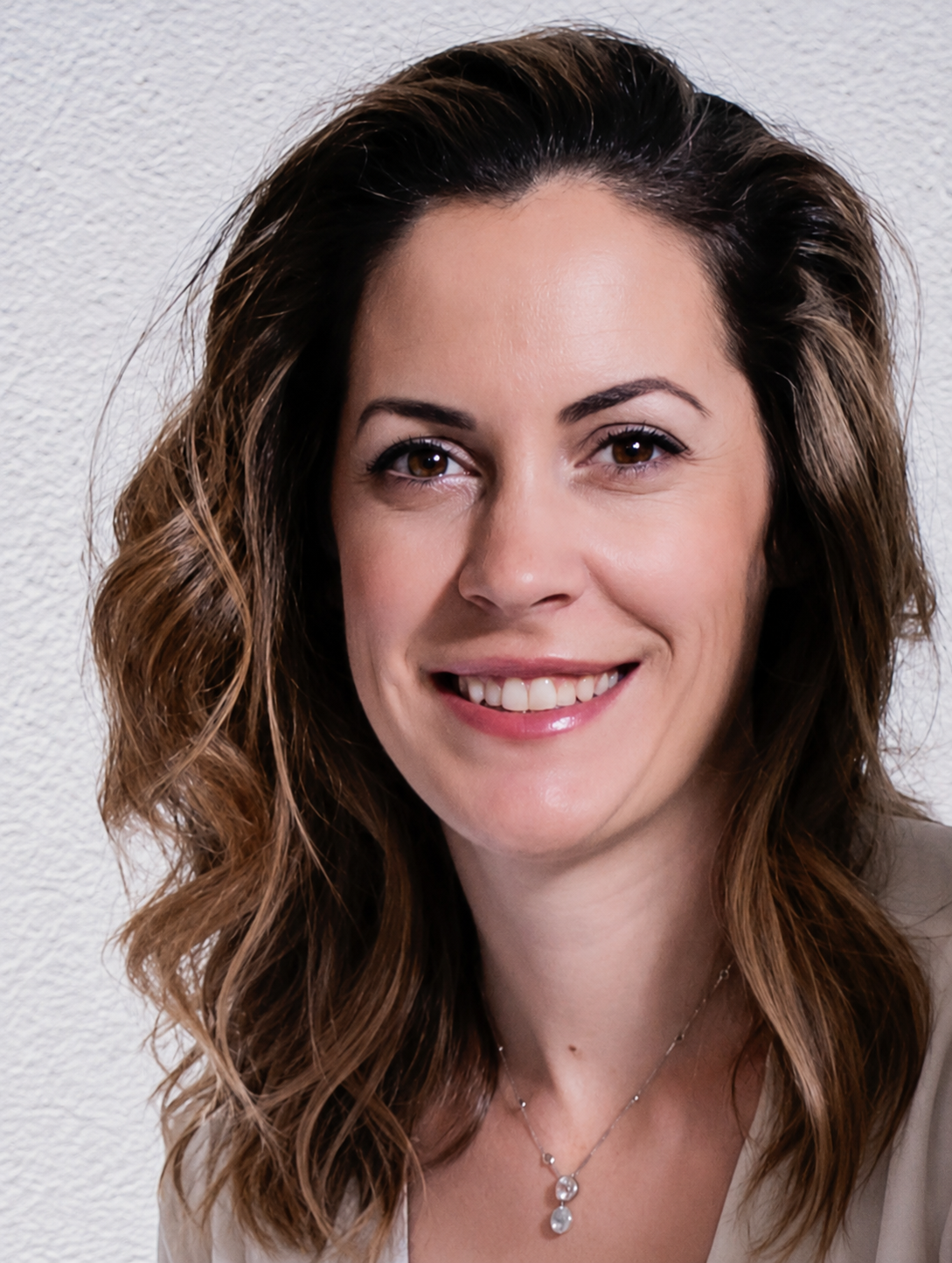
The story
Built sideways, on purpose.
I've spent over 19 years in the demolition and environmental construction industry, rising through the ranks and picking up experience across project support, accounting, operations, and business administration. I built that career quietly while staying open to new ideas, new skills, and new subjects the whole way through.
Finding ways to be innovative and increase efficiency has always been what motivates me. The subjects I kept drifting toward rarely looked like they belonged to my field — but they always found a spot somewhere in the inner workings of the work.
That's how SecondNature was born. A place to find easy-to-digest guides on complex subjects that seem out of reach at first glance — until a short, honest guide makes them small enough to start in an afternoon.
I learned all of it the slow way — after work, from a blank machine, with no course and nobody to ask. I kept notes on every step, and those notes became the shape of the guides: one subject, run end to end, with every command tested on a clean machine before it's printed. They're written for the person who has never opened a terminal, because that person was me. The way through was never complicated: start something small and finish it.
The pattern
Nothing you learn stays on the side.
The advice is always to stay in your lane: pick a field, go deep, ignore the rest. Nineteen years in, what actually happened is the opposite — and it runs the same way every time.
01
You pick it up for no reason
Not because it was on a roadmap, and not because anyone guaranteed it would pay off. Because it looked interesting and there was an evening free.
02
It finds a job inside the work
The subject you had no plan for ends up fixing something small and specific — a task that took too long, a process nobody had questioned, a problem you didn't yet have words for.
03
The next one comes easier
By the third or fourth new subject, the material isn't the hard part. The first hour of being a beginner is — and that hour gets shorter every single time.
The ability isn't a degree or a gift with computers. It's being willing to be bad at something long enough for it to become useful.
That willingness is the part that transfers — to any subject, in any field, whether or not it has anything to do with the job on your business card.
The honest version
What I'd tell anyone starting something new.
You don't need a reason to start.
“It looked interesting” is a complete answer. It's usually the only one that holds up past the first week, and it's a better fuel than “this should be useful.”
Twenty minutes is a real session.
The kind of learning that survives a full-time job is short by design. One chapter, one command, one thing that actually works by the end.
Being bad at it is temporary, not a verdict.
Every new subject is uncomfortable for about a day. That's the entry fee, not information about you or your aptitude.
Different fields are mostly different vocabulary.
Underneath the jargon the machinery repeats itself, which is exactly why the second thing you learn is faster than the first — some of it was already familiar.
That's the argument behind these guides. Short enough to finish, plain enough to start with no background at all, and built so the thing you came for actually works by the end.
The mission
Inspire people to reach further, and expand into subjects that feel foreign at first.
You never know what will reignite the fire. The point of SecondNature isn't to leave the career you have — it's to make learning something new feel natural, one subject at a time, whether or not it has anything to do with your job title. Change what you know.
How it came together
Four steps from a day job to second nature.
01
Rising through the ranks
Project support, accounting, operations, business administration — I moved through the departments that hold a company together, learning how each one actually works.
02
Curiosity off the path
I kept getting pulled toward subjects that had nothing to do with my field — and kept finding they fit somewhere inside the work anyway.
03
Learning as second nature
I never left my first career. I just kept learning alongside it, until picking up something new stopped feeling hard.
04
Guides for the curious
SecondNature became a place to find short, honest guides on subjects that seem far away until you actually start them.
Start with Python.
Twenty-five pages, a working script by the end, and the first of ten guides that build one small app — plus five for the part of your job that never changes. Instant download, yours to keep.